This is one of the most common skincare questions I hear, both from clients at my salon and from friends who are just getting into a proper routine. Can you use niacinamide and hyaluronic acid together? Will they cancel each other out? Is there a wrong order?
The short answer is yes, absolutely. These two ingredients are one of the safest, most effective combinations in skincare. They complement each other so well that dermatologists regularly recommend using them in the same routine. But how you use them makes a real difference in the results you see.
Why They Work So Well Together
To understand why this pairing works, it helps to know what each ingredient actually does.
Hyaluronic acid is a humectant. It’s a sugar compound that occurs naturally in your body and can hold up to 1,000 times its weight in water. When you apply it topically, it draws moisture from the environment into your skin. That’s what gives you that plump, hydrated look.
Niacinamide is a form of vitamin B3. It works differently. Instead of pulling in moisture, it strengthens your skin barrier, helps regulate oil production, evens out skin tone, and supports collagen production. It’s one of those ingredients that does a lot of things quietly and well.
Here’s where the magic happens: hyaluronic acid brings the water in, and niacinamide helps make sure it stays there by reinforcing the barrier that prevents moisture loss. One hydrates, the other protects. They aren’t doing the same job, which is exactly why they work so well as a pair.
Both ingredients are water-based, both are well-tolerated by virtually every skin type, and both are stable across a wide pH range. There’s no chemical conflict between them. Dermatologists across the board confirm they can be layered together safely without reducing each other’s effectiveness.
The Right Order to Apply Them
The general rule with layering skincare is to go from thinnest to thickest consistency. In most cases, that means applying hyaluronic acid first and niacinamide second – though your skin type can change the order.
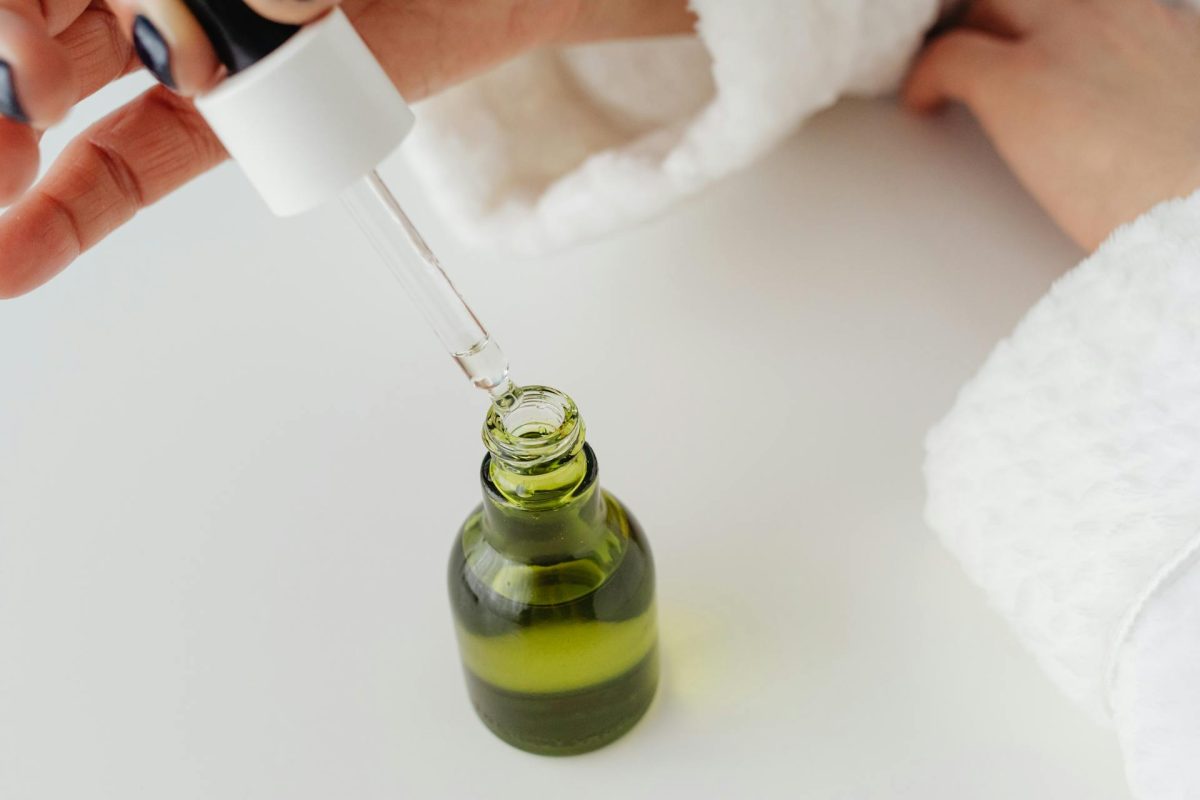
Here’s why that order works: hyaluronic acid needs moisture to do its job. When you apply it to slightly damp skin (right after cleansing or toning), it immediately starts pulling water into the upper layers of your skin. That creates a hydrated base for everything that follows.
Niacinamide goes on next. It seals in that hydration, starts working on barrier repair, and addresses concerns like uneven tone and enlarged pores. Think of hyaluronic acid as the one that opens the door, and niacinamide as the one that locks up behind it.
That said, the order isn’t a strict rule. The Ordinary’s own lab team has said that since both are water-based serums, they can technically go in either order. If your main concern is oily skin or visible pores, you might prefer applying niacinamide first to tackle those issues directly, then following with hyaluronic acid. If hydration is your priority, lead with HA.
Either way, finish with a moisturizer to seal everything in. And in the morning, always follow with SPF.
A Simple Routine Using Both
You don’t need ten products to make this work. Here’s a straightforward morning and evening routine that includes both ingredients without overcomplicating things.
Morning: Gentle cleanser, hyaluronic acid serum on damp skin, niacinamide serum, moisturizer, sunscreen.
Evening: Gentle cleanser, hyaluronic acid serum on damp skin, niacinamide serum, moisturizer (slightly richer than your daytime one if your skin needs it).
If you use other active ingredients like retinol or vitamin C, those have their own placement rules. Vitamin C works well in the morning before your HA. Retinol belongs in the evening routine and pairs nicely with niacinamide, which can actually help buffer retinol’s drying effects. But that’s a topic for another article.

The Mistake Almost Everyone Makes with Hyaluronic Acid
In 8 years of running my salon, I’ve seen this mistake more times than I can count: applying hyaluronic acid to dry skin.
Remember, hyaluronic acid is a humectant. It pulls moisture from wherever it can find it. If your skin is damp, it pulls moisture from the water on your face and locks it in. But if your skin is completely dry and you’re in a low-humidity environment, it can actually pull moisture out of deeper skin layers, leaving you feeling tighter and drier than before.
The fix is simple. Always apply HA to damp skin. Not dripping wet, just freshly cleansed or misted with a toner. Then layer your niacinamide and moisturizer on top to seal that hydration in place. That one small adjustment makes a huge difference.
Who Should Use This Combination
The beauty of niacinamide and hyaluronic acid together is that the combination works for essentially every skin type.
If you have dry skin, hyaluronic acid delivers the hydration you need while niacinamide strengthens your barrier to prevent further moisture loss. If you have oily skin, niacinamide helps regulate sebum production while hyaluronic acid provides lightweight hydration that won’t clog pores or feel greasy. And if you have sensitive skin, both ingredients are known for being gentle and non-irritating, which is why dermatologists recommend them so often as a starting point for people who are new to active ingredients.
I’m lucky to have normal skin that doesn’t give me much trouble, but I still use both of these ingredients daily. For me, it’s about maintenance. Keeping my skin hydrated and my barrier strong means fewer issues down the road. But I’ve recommended this combination to clients with every skin type imaginable, from very dry to very oily, and the feedback is consistently positive.
One note of caution: if you’re using niacinamide at a high concentration (above 10%), some people do experience mild irritation. Board-certified dermatologist Dr. Melody Maarouf recommends starting with a 3% to 5% concentration, as formulas under 3% may not produce significant results and anything above 10% can be too aggressive for reactive skin. Start low, see how your skin responds, and adjust from there.
One Product or Two?
You can get both ingredients through separate serums (which gives you more control over concentration and layering order), or you can find moisturizers and serums that contain both niacinamide and hyaluronic acid in a single formula. Either approach works.
Separate products are great if you want to adjust the amounts or if your skin reacts differently to each ingredient. A combined product is easier if you want a simpler routine. There’s no wrong answer here, just whatever fits your lifestyle and budget.
Frequently Asked Questions
Can niacinamide and hyaluronic acid be used every day?
Yes. Both ingredients are gentle enough for daily use, morning and evening. They don’t cause photosensitivity, so they’re safe in your daytime routine as long as you’re wearing sunscreen (which you should be doing anyway).
Should I apply hyaluronic acid or niacinamide first?
In most cases, apply hyaluronic acid first to damp skin, then follow with niacinamide. This allows HA to draw in moisture while niacinamide locks it in and addresses barrier repair. However, if your main concern is oiliness rather than hydration, you can reverse the order.
Can I mix niacinamide and hyaluronic acid in my hand before applying?
It’s better to layer them separately. While they won’t react badly, they have slightly different pH ranges, and mixing before application could reduce how well each absorbs. Apply one, let it sink in for a minute, then apply the other.
Will using both cause my skin to break out?
It’s unlikely. Neither ingredient is known to cause breakouts. Hyaluronic acid is non-comedogenic, and niacinamide actually helps regulate oil and minimize pores. If you do experience irritation, it’s more likely caused by a high niacinamide concentration or another ingredient in the product.
Can I use niacinamide, hyaluronic acid, and vitamin C together?
Yes. One effective approach is to apply vitamin C in the morning (for antioxidant protection), followed by hyaluronic acid and then niacinamide. Some people prefer using vitamin C in the morning and niacinamide at night. Both approaches work well.