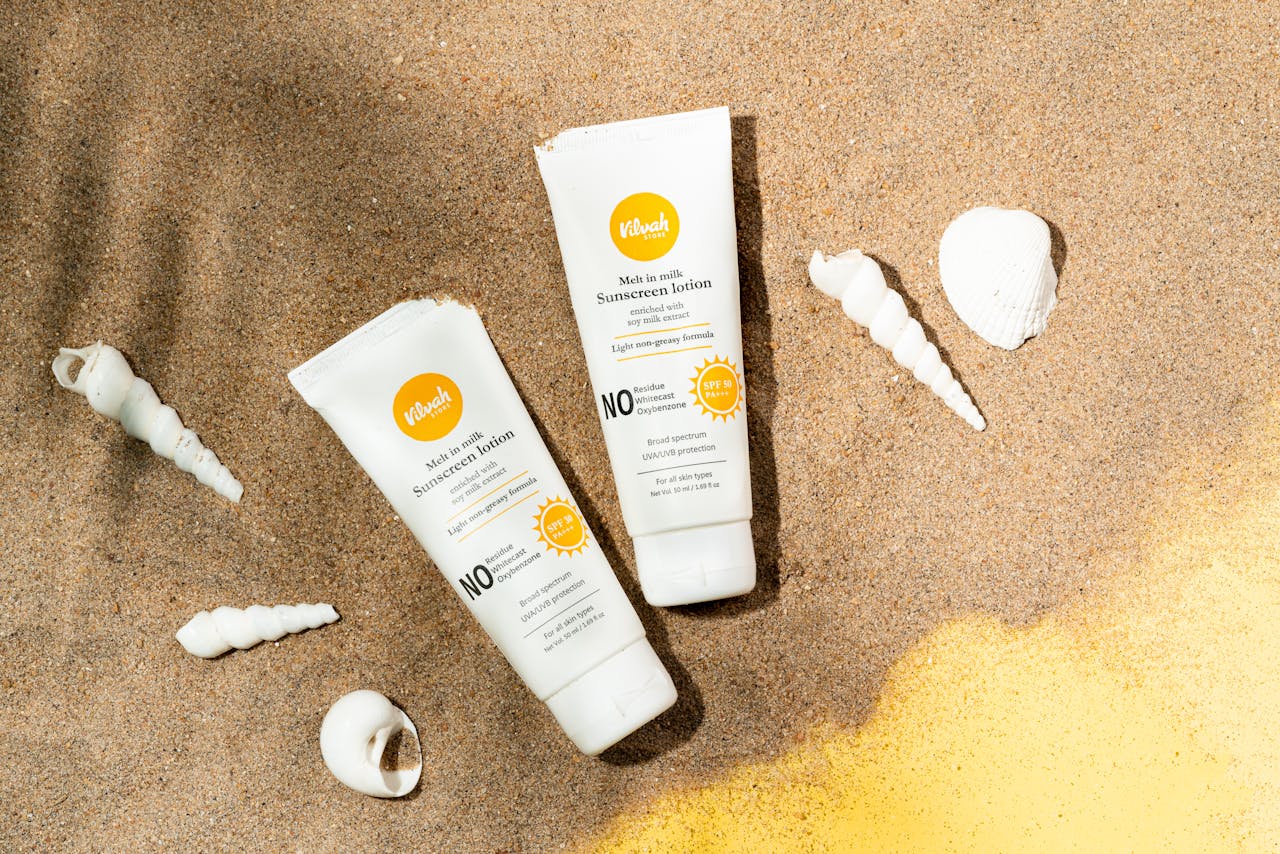
Let me tell you something I wish someone had explained to me earlier: SPF isn’t a seasonal habit.
It’s not just for summer, beaches, or sunny vacations. It’s an everyday essential — like cleansing your skin or moisturizing.
Sunscreen may not feel exciting. It doesn’t promise instant glow or dramatic overnight results. But when it comes to long-term skin health, nothing matters more.
Once you understand how SPF works and what it actually protects you from, using it daily just makes sense.
SPF Explained: What It Really Does for Your Skin
SPF stands for Sun Protection Factor, and it protects your skin from harmful ultraviolet (UV) radiation.
There are two main types of UV rays you need to know about:
· UVB rays – these cause sunburn and are what SPF numbers primarily measure
· UVA rays – these penetrate deeper into the skin and are responsible for premature aging, collagen breakdown, and long-term damage
This is why dermatologists always recommend a broad-spectrum sunscreen — it protects against both UVA and UVB rays.
In short:
SPF prevents visible damage and the invisible damage that shows up years later.
Cloudy Days, Indoors, and Cars: Why SPF Is Still Necessary
This part surprises a lot of people.
· Cloudy days: Up to 80% of UV rays can penetrate cloud cover, meaning your skin can still be damaged even when the sun isn’t visible.
· Indoors & cars: UVA rays pass through standard glass windows in homes, offices, and vehicles. Sitting by a window or driving counts as sun exposure.
· Blue light exposure: Many modern SPF formulas now also protect against blue light from digital screens, which can contribute to oxidative stress and premature skin aging.
So yes — SPF is relevant even on overcast days, even indoors, even when you’re mostly on your laptop.
How Does SPF Work?
Let’s break it down simply.
· UVB (Burning):
SPF numbers (SPF 15, 30, 50) measure how well a sunscreen protects against UVB rays, which cause sunburn.
· UVA (Aging):
UVA protection isn’t shown by the number — that’s why “broad-spectrum” on the label is essential.
· Standard recommendation:
For daily use, experts recommend at least SPF 30, applied 15–30 minutes before sun exposure and reapplied every two hours when outdoors.
So when people ask “how does SPF work?” — the answer is that it reduces the amount of UV radiation that reaches and damages your skin.
Why SPF Is the Most Powerful Anti-Aging Product
Here’s something worth knowing:
Up to 80% of visible skin aging is caused by sun exposure, not time.
That means fine lines, wrinkles, loss of firmness, and uneven skin tone are often the result of unprotected UV exposure over the years.
Daily sunscreen use helps:
· preserve collagen and elasticity
· slow down wrinkle formation
· prevent dark spots and discoloration
· keep skin looking smoother and healthier
No serum or treatment can compete with that.
The Importance and Usage of Sunscreen (The Real Benefits)
Using SPF daily isn’t just a “nice extra” — it’s foundational skincare.
Here’s why it matters so much:
· Prevents premature aging
SPF protects against the main cause of visible aging.
· Reduces hyperpigmentation and dark spots
Especially important if you’re prone to discoloration or melasma.
· Protects sensitive and acne-prone skin
UV exposure can worsen inflammation and post-acne marks.
· Supports your skincare routine
Without SPF, ingredients like vitamin C, retinol, and acids can’t work properly.
· Reduces the risk of skin cancer
This is the most serious and non-negotiable benefit.
How to Apply SPF Correctly (Without Making It Complicated)
Knowing how SPF works is important — but using it properly is what makes the difference.
Here’s a simple, realistic guide:
· When: Apply sunscreen 20 minutes before going outdoors
· How much: Use a generous amount — about one teaspoon for each limb or body area
· Where: All exposed skin, including ears, neck, and the top of the head (or wear a hat)
· Reapply: Every two hours, and always after swimming, sweating, or towel drying
You don’t need perfection — just consistency.

Mineral vs. Chemical SPF (Quick and Simple)
Both types are effective.
· Mineral sunscreens reflect UV rays and sit on top of the skin
· Chemical sunscreens absorb UV rays and convert them into heat
The best sunscreen is the one you’ll actually wear every single day.
SPF Is Self-Care, Not a Chore
Using sunscreen isn’t about avoiding the sun or being overly cautious. It’s about respecting your skin and protecting it in the easiest way possible.
You don’t need a 10-step routine.
You don’t need luxury products.
You just need SPF — most days, most of the time.
That one habit does more for your skin than almost anything else.